Welcome to The Arboretum
Native trees - Non-natives - Tree Facts - LinksNative and naturalised trees of Britain and Ireland:
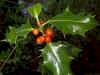
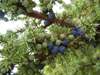
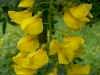
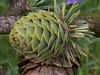
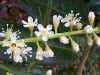
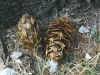
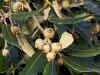
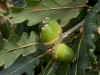
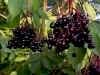
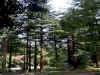
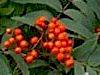
Each image links to a page containing larger pictures, indentification guides and details of habitat requirements for each of the tree species shown here. Pictures of flowers, seeds and leaves of most species are also shown.
Some interesting non-native trees:
Facts about trees
- The oldest living trees are bristle-coned pines; some are still growing and more than 5000 years old.
- The giant redwood tree can grow to a weight of 2000 tonnes.
- The coast redwood is the tallest tree, reaching a height of 100 metres.
- Tree growth slows in autumn and usually stops in winter, and then starts again in spring; this causes annual 'rings' to appear in the cut timber, from which the age can be determined.
- Only three conifers are truly native to the British Isles: Scots Pine, Yew and Juniper. They colonised the land, after the ice cap receded, five- to nine-thousand years ago.
- Dutch Elm Disease, which has done so much damage since 1970, may have wiped out most of Britain's elm trees before: there is a sharp reduction in fossil pollen records for the period between 3000 and 4000 BC.
- Ancient woodland is defined as that dating from before 1700 AD.
Food from Trees
Ask what food you can get from trees, and most people say nuts - hazel, sweet chestnut and a few others. But many other trees contain edible parts - the roots, leaves or bark, for example.
Poisonous trees
Many evergreen trees and bushes, including rhododendron, privet and laurel, are poisonous. The berries are a particular danger if young children try to eat them. Beware also that all parts of the laburnum contain hazardous toxins; children are sometimes tempted to eat the seeds because they look very much like peas.