
Cantharellaceae, Hydnaceae and Hericiaceae
The family Cantharellaceae includes the popular chanterelle mushrooms (Cantharellus, Craterellus and Pseudocraterellus species), with their familiar funnel shapes and fruit-scented flesh, as well as hedgehog fungi and some other rare tooth fungi.
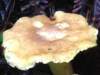
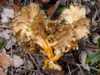
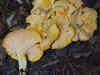
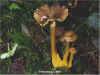
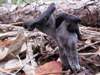
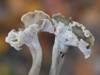
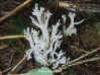
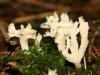
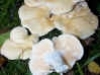
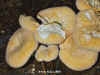
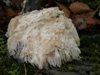
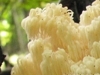
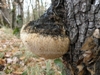
Chanterelles are different from other funnel-shaped agarics in that the underside of the caps, where the spores develop, do not have true gills. The most commonly occurring fungi in this family have ridged undersides. Chanterelles grow on soil or on leaf litter, usually recurring in the same place for many years.
The Hedgehog Fungi (Hydnaceae) are cap-and-stem mushrooms with a difference; they have teeth on the underside of the cap, rather than the gills of agarics or the pores of boletes. The Hydnaceae are now known to be closely related to the Chanterelles and included in the order Cantharellales.
Also in this section we have, simply for convenience, included the Hericiaceae, which in taxonomy are currently placed in the order Russulales. The Herciaceae are sometimes referred to as 'tooth fungi', and they are rare finds in the UK.
For more information about the families Cantharellaceae, Hydnaceae and Hericiaceae plus a range of related fungi together with a deeper insight into the ecology and structure of the species featured in our Cantharellales Gallery pages, please see Pat O'Reilly's latest book Fascinated by Fungi.
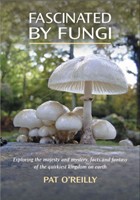
Fascinated by Fungi. Back by popular demand, Pat O'Reilly's best-selling 450-page hardback book is available now. The latest second edition was republished with a sparkling new cover design in September 2022 by Coch-y-Bonddu Books. Full details and copies are available from the publisher's online bookshop...