
Boletales Gallery
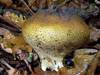
More about fungi in the order Boletales
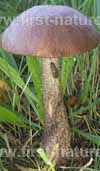
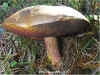
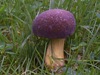
scabrum
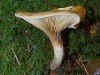
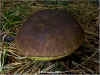
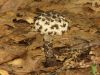
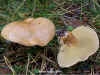
involutus
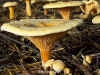
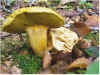
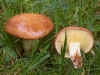
aurantiaca
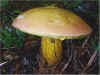
Boletes are large cap-and-stipe fungi and much sought after both as a source of free meals and as beautiful fungi in their own right. The majority of boletes are edible and some - the Cep or Penny Bun Bolete, Boletus edulis, is a good example - are considered real delicacies and fetch high prices in restaurants. There are, however, a few poisonous boletes and others whose bitter taste makes their addition to a mushroom dish inadvisable.
With few exceptions, fungi within the order Boletales have spore-bearing tubes with pore openings beneath their caps rather than the more familiar gills of agaricoid cap-and-stipe fungi.
The most commonly encountered families in this order are the Boletaceae and Suillaceae (all with pores); and Gomphidiaceae and Gyrodontaceae (with gills).
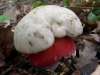
As a general rule, gilled boletes (as they are sometimes called) are inedible and some - Paxillus involutus, the Brown Roll-rim is one such example - are known to be toxic. All pored boletes with red or orange tubes and pores are also best avoided. Suillellus satanas, a large and very attractive mushroom with bright red pores, is seriously toxic and so no part of it should be tasted.
Most boletes grow on soil, with only a minority found on rotting timber and one (Pseudoboletus parasiticus, the Parasitic Bolete) lives attached to another fungus, Scleroderma citrinum (the Common Earthball). The most commonly occurring fungi in this order are from the genera Boletus, Suillus, Leccinum and Paxillus.
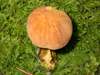
Many boletes grow in association with the roots of just one or a few types of trees, in a 'mycorrhizal relationship' from which both tree and fungus benefit. Leccinum scabrum, for example, grows only under birch trees. It is a great help in identifying some of the more difficult boletes to note which trees they were growing beneath. Some trees provide mycorrhizal opportunities for several kinds of boletes. Beech, birches, oaks and Scots Pine are particularly good in this respect.
The popular Penny Bun Bolete (Boletus edulis) is often very difficult to find among fallen leaves. Surprisingly often, it occurs in the same general area as the Fly Agaric, Amanita muscaria. So whenever you find the bright caps of Fly Agaric take a good look around!
The Dictionary of the Fungi by Paul Kirk et al (10th edition, 2008) states that within the family Boletaceae there are 35 genera containing a total of nearly 800 species.
For more information about the order Boletales and a deeper insight into the ecology and structure of the boletes and other species featured in our Boletales Gallery pages, please see Pat O'Reilly's latest book Fascinated by Fungi.
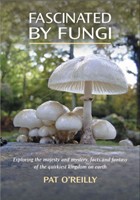
Fascinated by Fungi. Back by popular demand, Pat O'Reilly's best-selling 450-page hardback book is available now. The latest second edition was republished with a sparkling new cover design in September 2022 by Coch-y-Bonddu Books. Full details and copies are available from the publisher's online bookshop...